The room-temperature, low-cost approach to making predictions & decisions. American Electrodynamics is building AMELIA on a peer-reviewed, patent-pending discovery — using standard components, without exotic cooling or foreign supply-chain dependencies.
Everything is science fiction ... until it's not.
"Decoding the future — before it arrives."
At AEC, we envision a better world — powered by AMELIA. Our technology is built on a peer-reviewed, patent-pending discovery that uses the group properties of light to generate high-probability predictive signals. It enables a low-energy, low-cost alternative to traditional quantum computing and AI, without exotic cooling or exotic materials.
Others are racing to build a better computer. We are building something different — a prediction engine, not a compute engine. We believe that capability should be accessible, resilient, sustainable, and American-made. AMELIA is our answer.
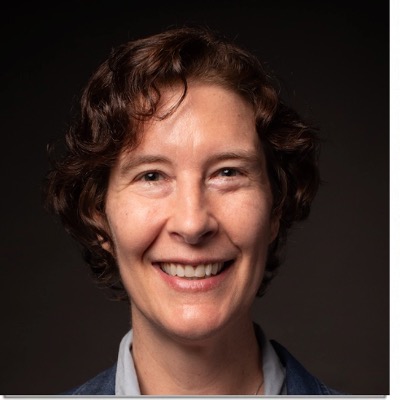
AMELIA is built on the Causally Ambiguous Duration-Sorting (CADS) effect — a breakthrough discovery by Dr. Julia Mossbridge showing that photons, under classical boundary conditions, behave differently based on future temporal boundaries. That behavior is the raw material for prediction: information about an event, available before the event.
Unlike superconducting or ion-trap quantum computers that demand cryogenic environments and rare materials, AMELIA runs at room temperature using standard electronics. It draws dramatically less power, and it sidesteps the error-correction problem that has plagued quantum computing for decades — reading the group properties of light rather than holding fragile single states, with signal quality measured directly at the detector.
Photonics is attracting serious capital, and almost all of it is aimed at building a better computer. Others compute with light. We predict with it.
Visible-light photons in a controlled tube — no cryogenics, no exotic materials.
Proprietary parameters, feedback, and error control encode queries into the photonic stream.
AI/ML turns photon behavior into predictive signals.
High-probability, previously-unknown information — predictive signals and binary Q&A.
AMELIA is not a concept or theory — it is the empirical result of ten years of relentless, self-funded technical research and development by Dr. Julia Mossbridge. Beginning with a single-channel prototype in 2016 and iterating persistently to the current 16-channel tabletop system, the technology has been built from the ground up on more than 10,000 person-hours of sweat equity.
The foundational CADS effect has been published in a peer-reviewed journal and is patent pending. The CADS effect has been replicated independently by two separate scientists, each using different hardware setups and randomization engines — with consistent results.
The paper's ResearchGate Interest Score ranks higher than 95% of all papers published in 2025 — and higher than 70% of all quantum computing papers ever published — despite the low profile of the journal.
AMELIA's ability to generate high-probability predictive signals at room temperature opens transformative possibilities across sectors where timing and accuracy are paramount — anywhere knowing sooner changes the decision.
Milliseconds for margin. An Up/Down signal that arrives before markets move turns latency into leverage, reshaping risk management and trading strategy.
Landfall, intensity, path — anticipated before the event. Earlier warning for response and resource deployment, and a clearer basis for pricing catastrophe risk.
Predictive load balancing and outage management across the grid — smarter energy capture, storage planning, and safer, more resilient operations.
Faster, deeper research and innovation across scientific domains — a fundamentally different instrument for questions that current methods answer slowly, or not at all.
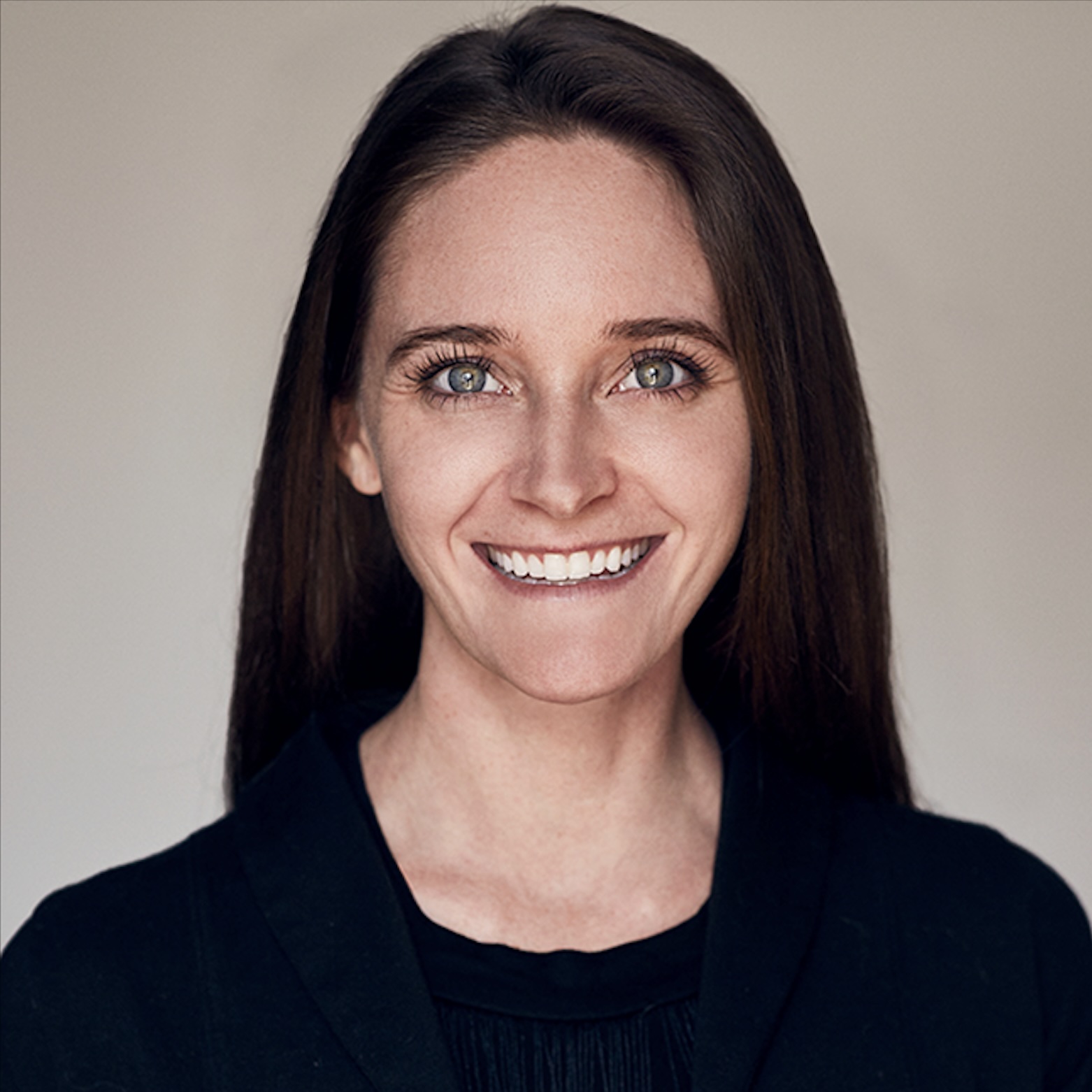
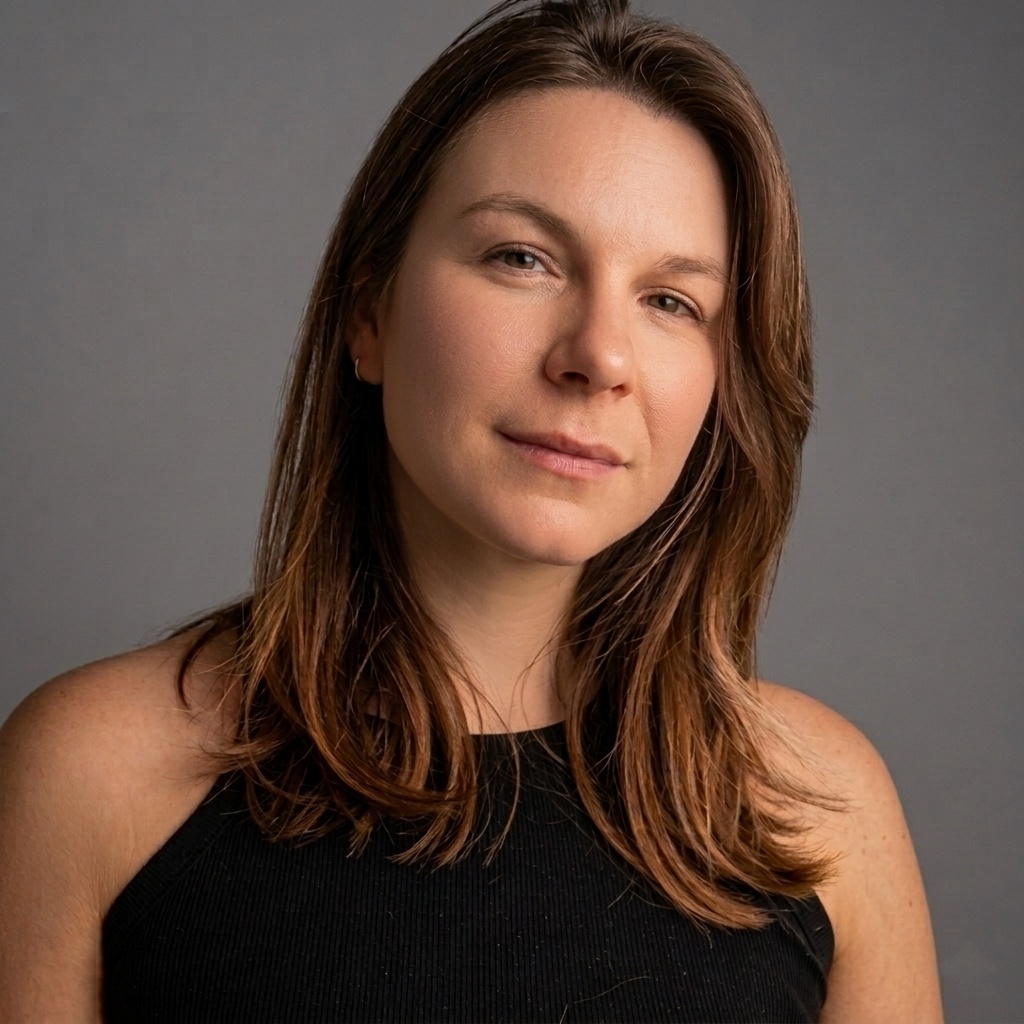
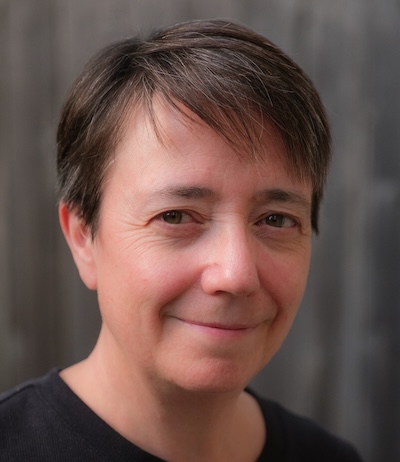
American Electrodynamics brings together scientists, intelligence leaders, engineers, and entrepreneurs united by a single mission.
A live demonstration is available for
qualified investors and prospective partners.